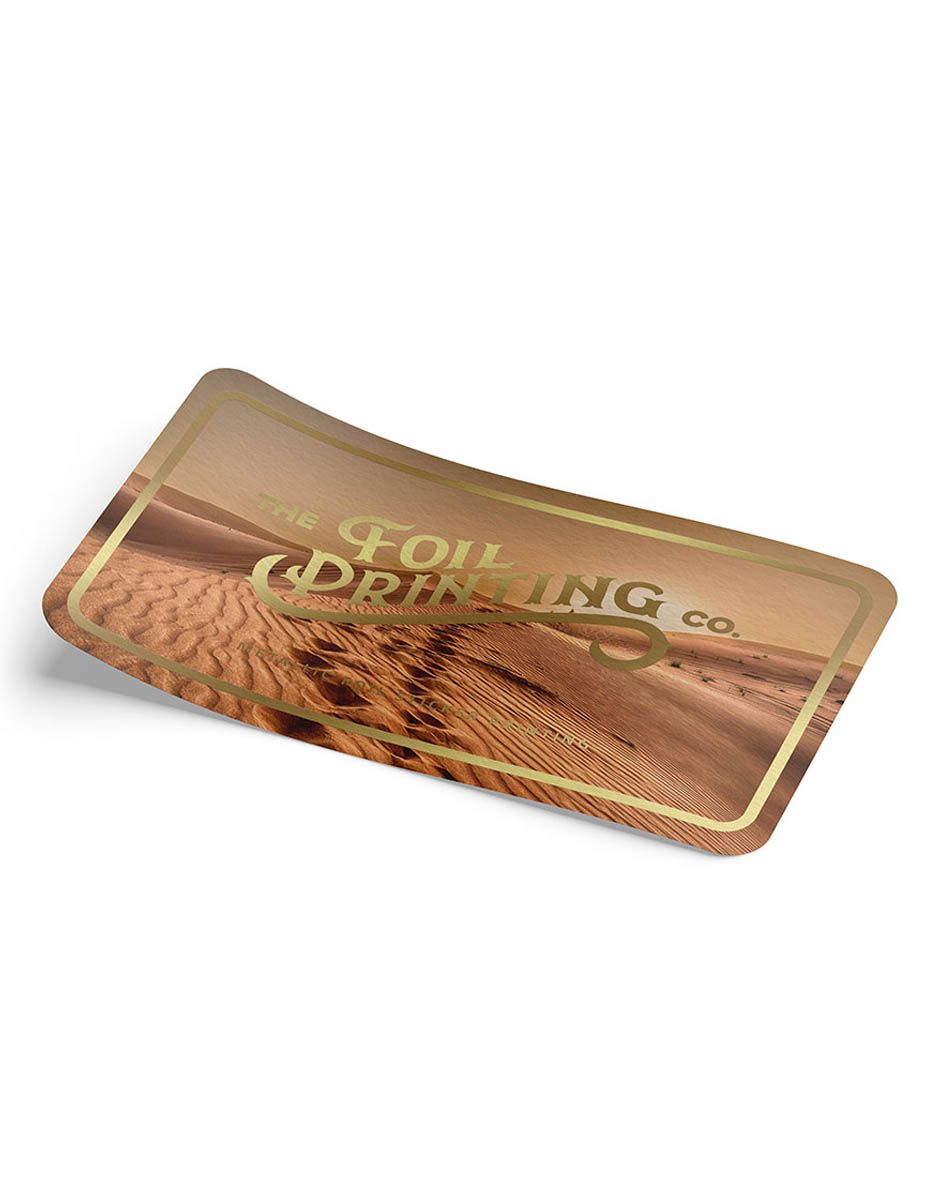
Fast and reliable.
Metallic Foil Greeting Card Printing
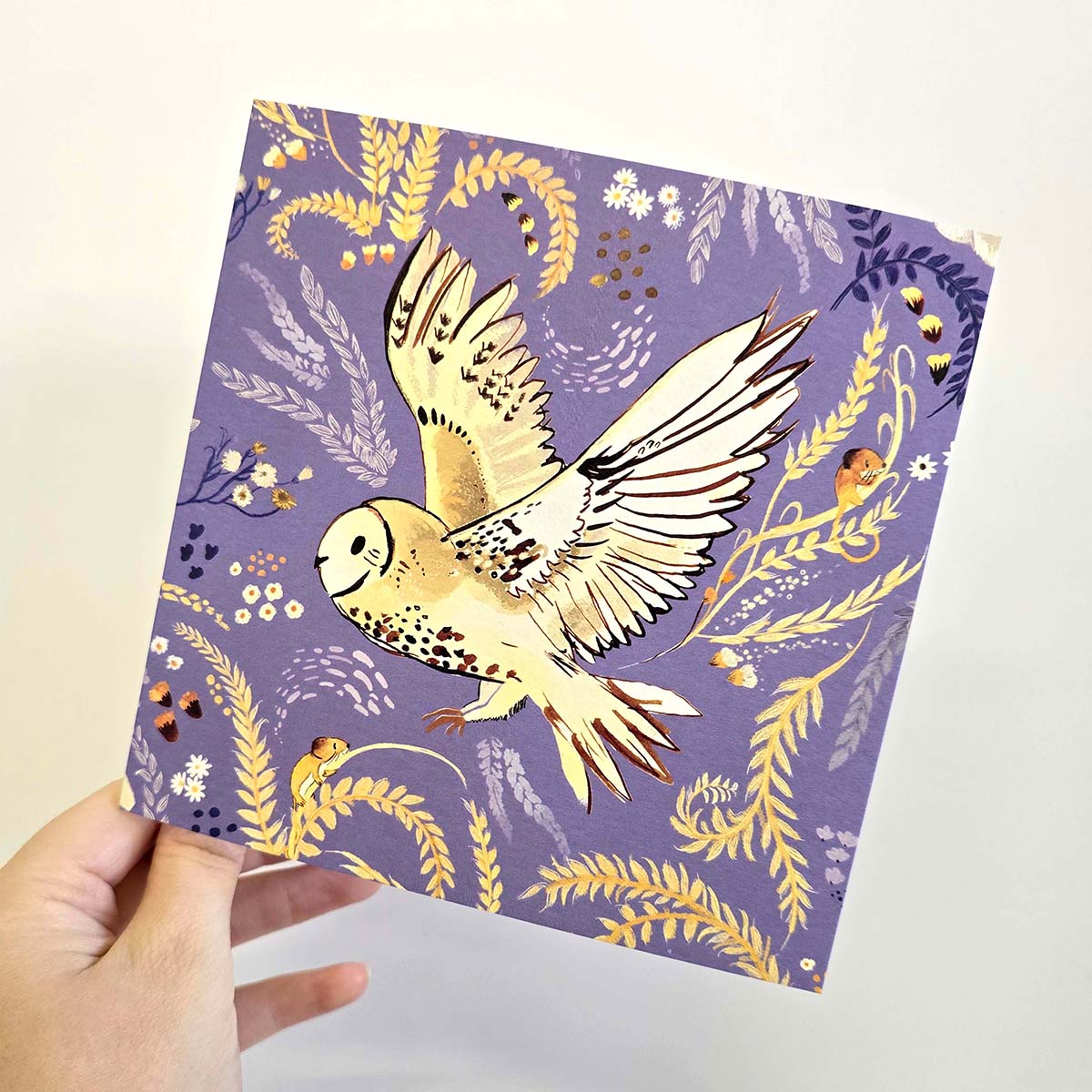
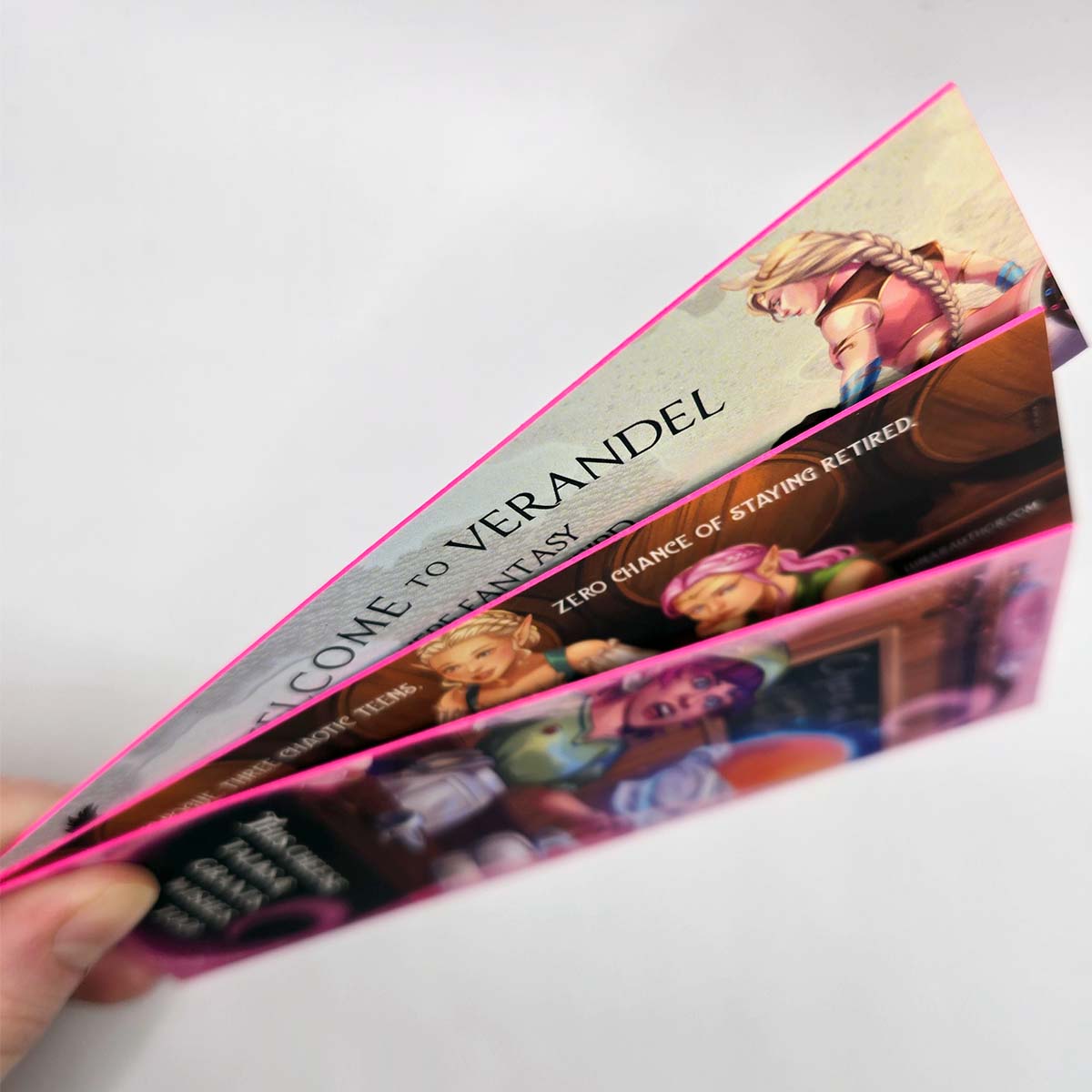
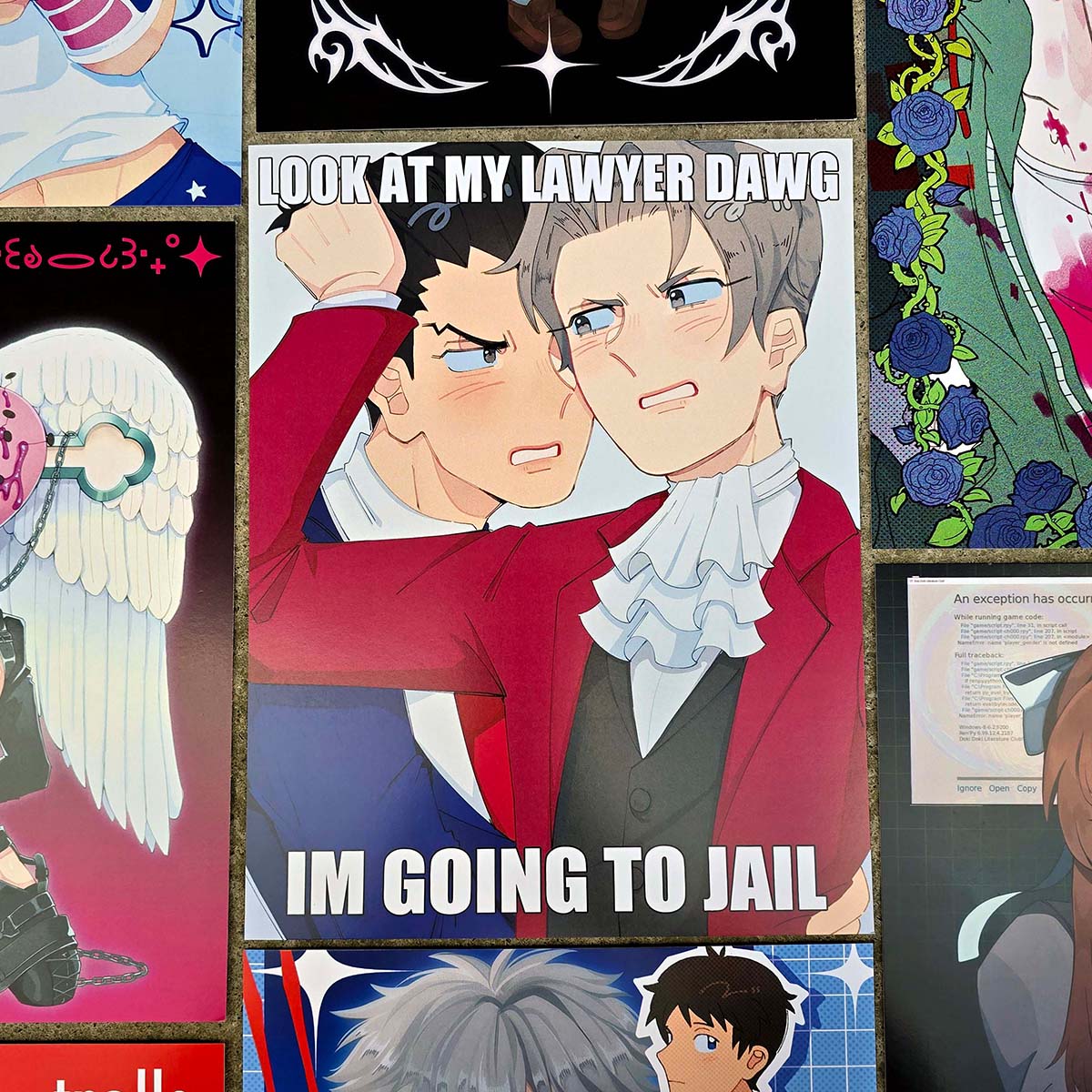
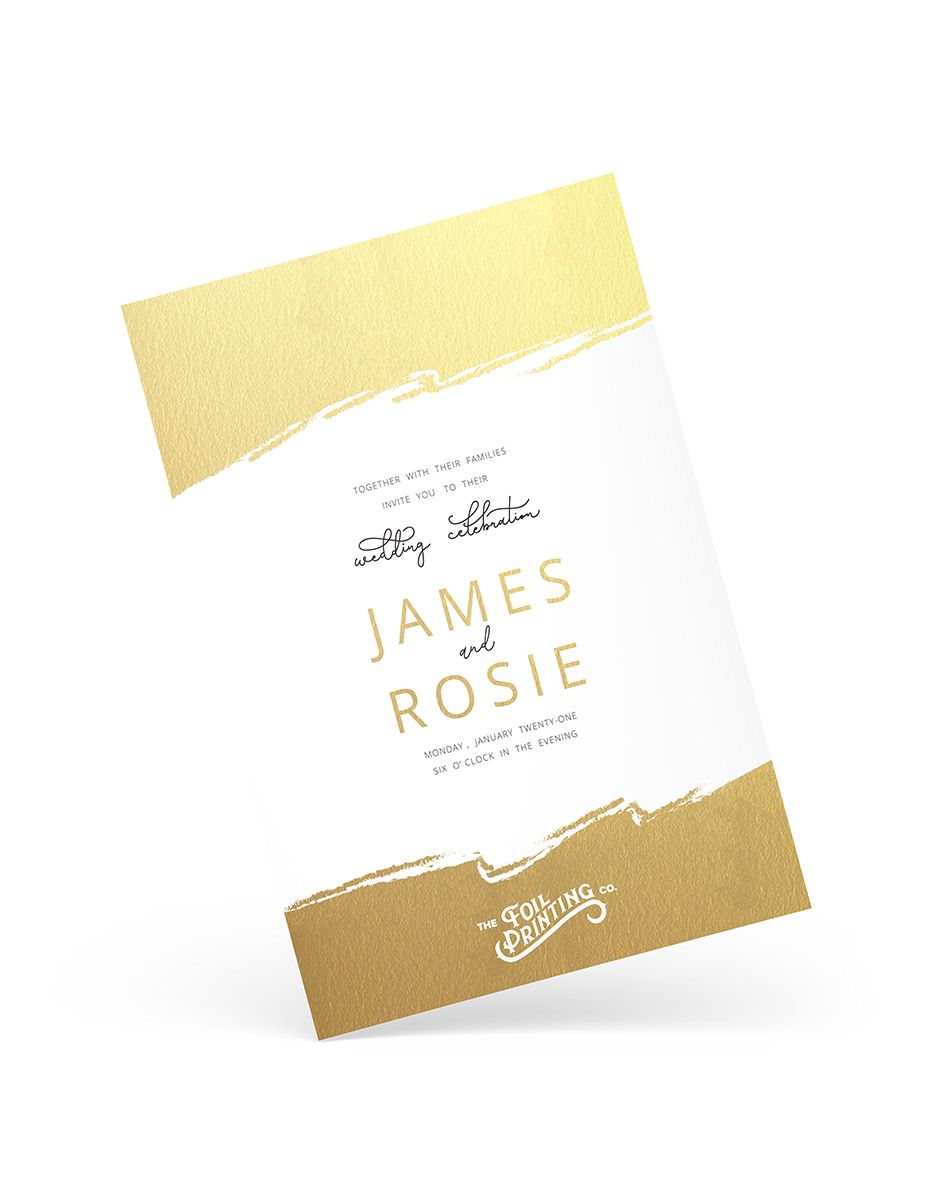
Our greeting cards printing is the best choice when you are looking for incredible results. You can easily make someone feel extra-special when you send your wishes to family, friends, co-workers, or clients.
Our personalised greeting cards are a fantastic way to maintain and build long-lasting relationships. Few things mean more than letting someone know that you are thinking of them.
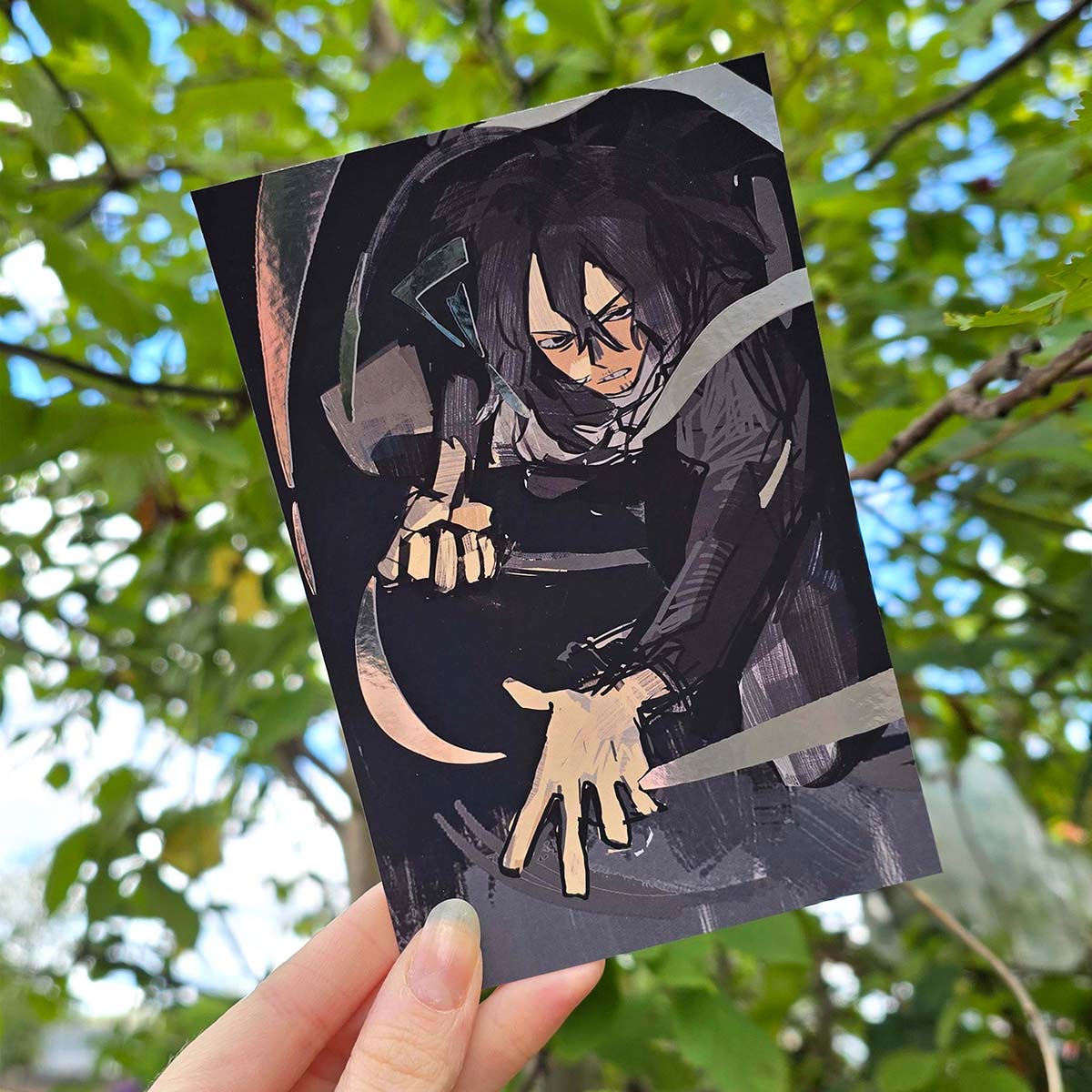
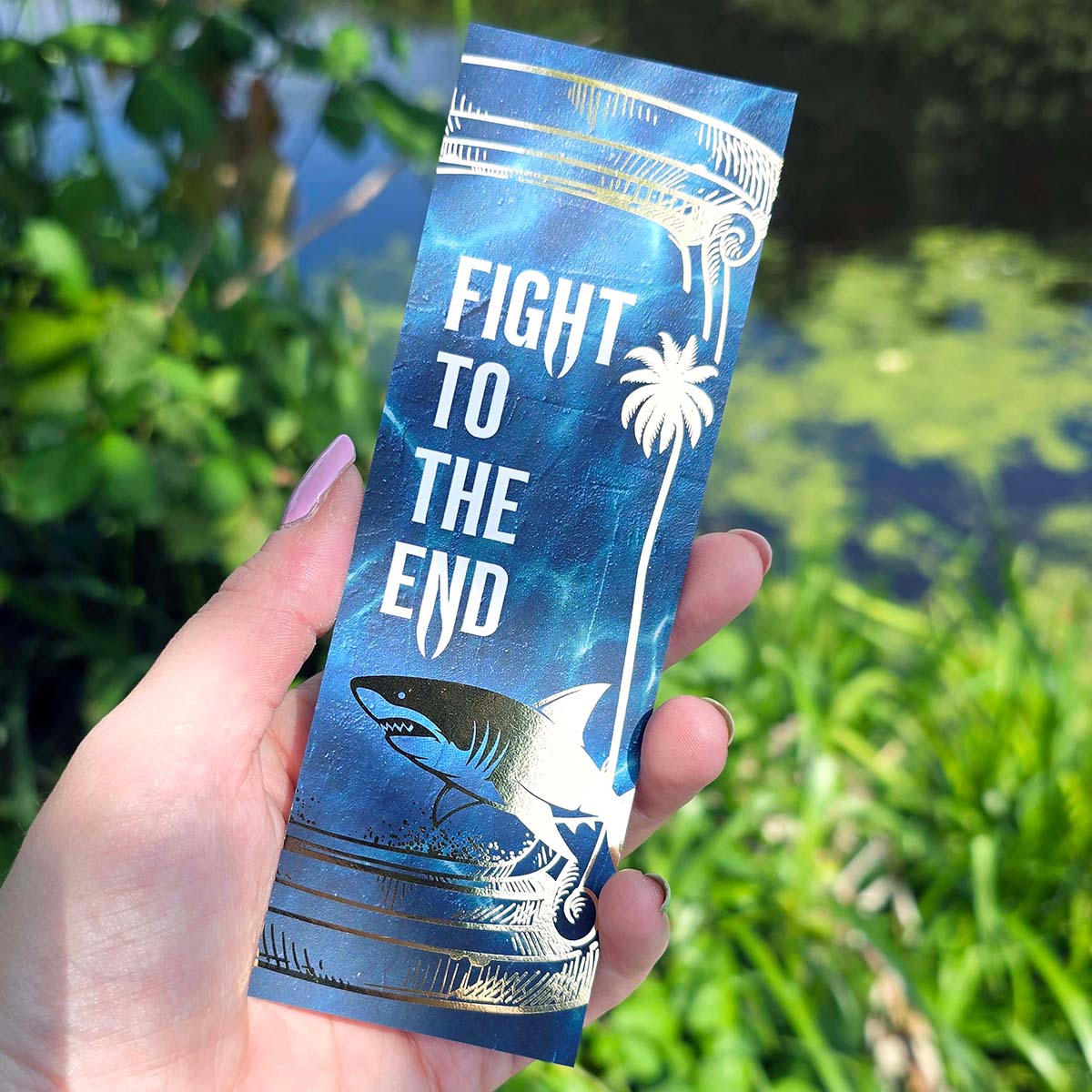
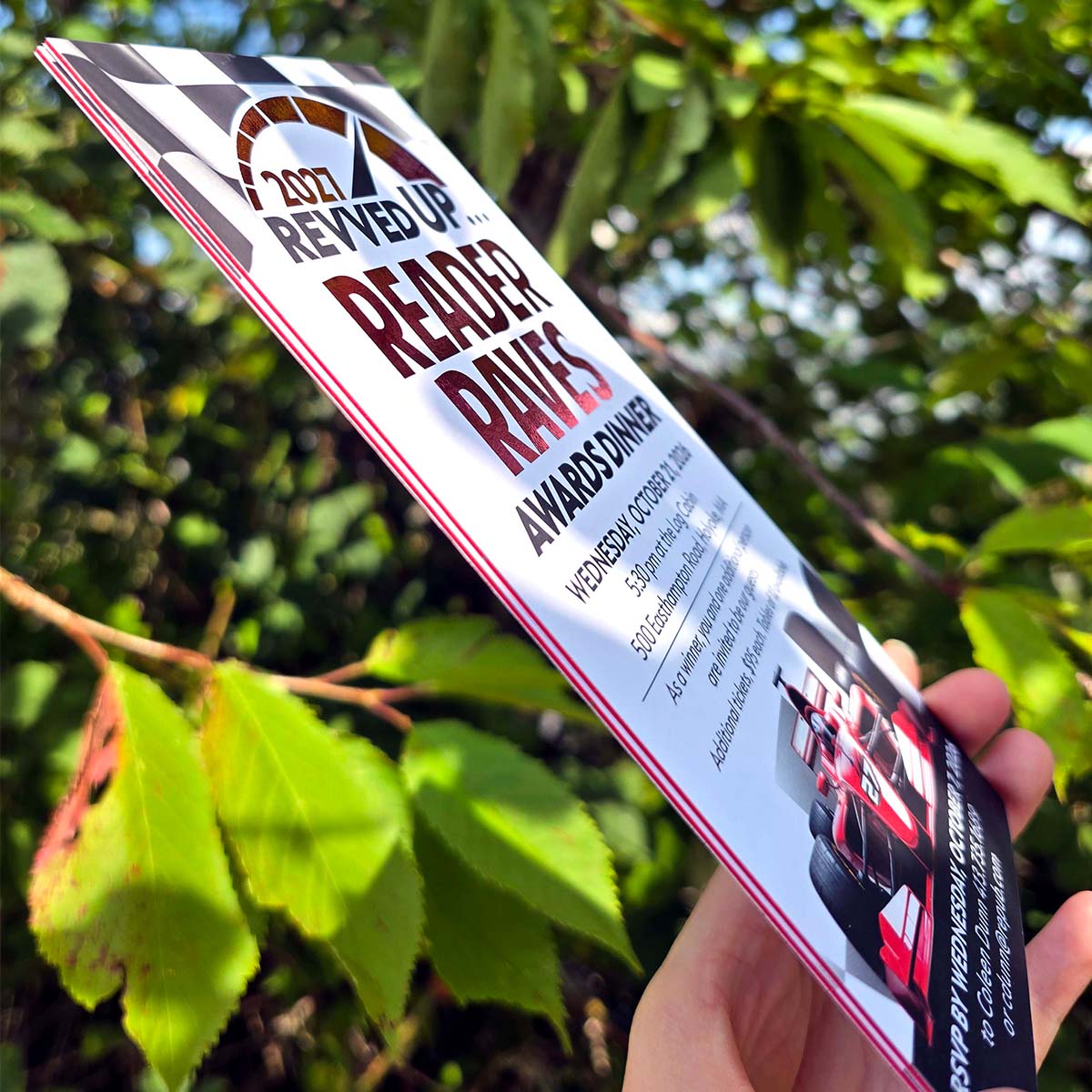
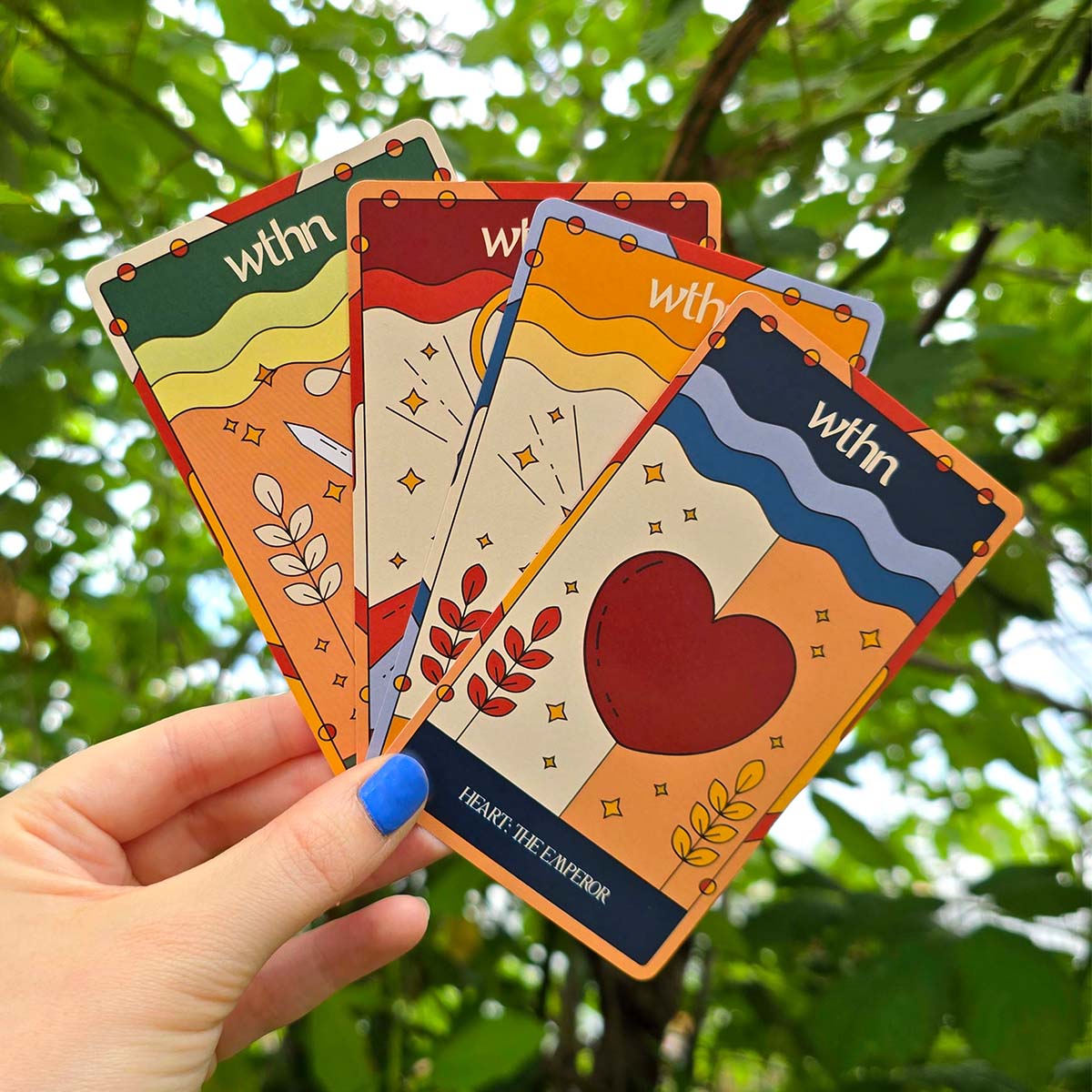
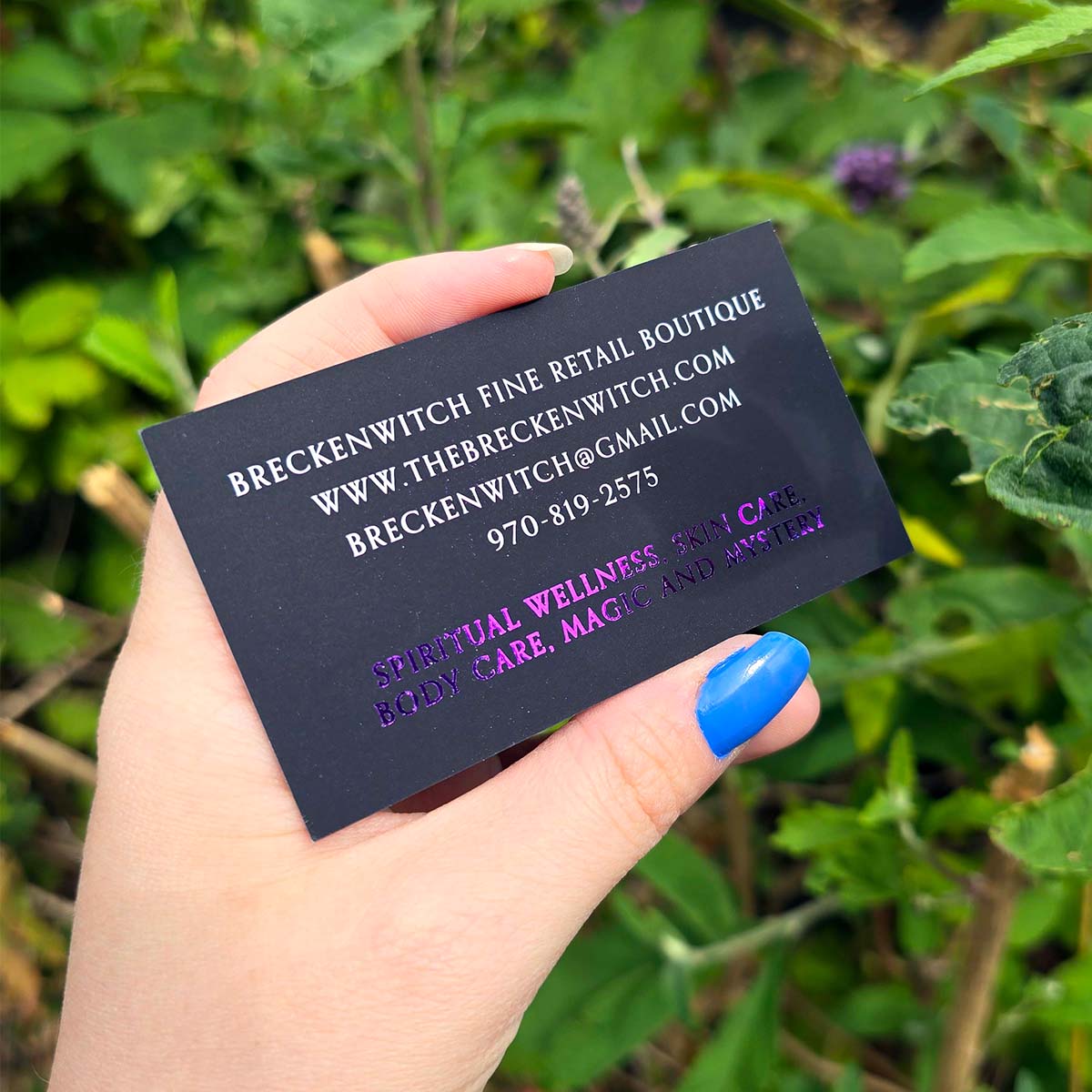
Our greeting cards printing lets you choose from an extensive range of premium papers of different weights and sizes. You can use contemporary foil colors such as silver and gold to create a crisp, smooth appearance or add an extra touch of personality with ink colors of your choosing.
Something For Every Occasion
You can create something for any occasion with our personalized cards and birthday card printing. There are many occasions throughout the year that are worthy of sharing your sentiments and we encourage you to set your creativity free.
You can upload your artwork or use one of our customizable templates to create something unique. Alternatively, our designer can create print-ready artwork for your approval, giving the look a professional touch.
Stand Out With The Foil Printing Co.
The Foil Printing Co. is a greeting cards printing specialist who is proud to offer the highest-quality results. We are passionate about exceeding your expectations, from rich distinct colors to shimmering highlights and dynamic and vibrant finishes.
In our format and online quoting tool, you can choose all of the options you may want, including custom folding, rounded corners, and many others. We can add a soft matt finish with lamination to protect the greeting card's printing and add thickness for an ultra-premium feel.
If you need any assistance, please get in touch with our helpful team.
How to Choose the Right Foil for Greeting Cards
With four paper stocks and 12 metallic foil colors available, that's 48 possible greeting card combinations before you even factor in card size or foil placement. Rather than starting with individual materials, it often helps to begin with the outcome you want to achieve. Whether you're creating a premium greeting card range for retail, a bold signature style to use across multiple occasions, or a more subtle design where the message takes centre stage, different stock and foil combinations naturally lend themselves to different results.
The guide below highlights some of the most popular combinations we see used across greeting card projects, helping you understand how different materials work together and the type of result they typically produce. While there are no fixed rules, these examples provide a useful starting point when planning your own design.
|
Design Direction |
Paper Stock |
Foil Colour |
What it Looks Like |
Typiical Use Case |
|
Premium and classic |
Silk or Gloss |
Gold |
Warm metallic with strong contrast |
You want a traditional, high-end look with clear hierarchy |
|
Clean and text-focused |
Silk or Uncoated |
Silver |
Sharp, consistent color with high clarity |
Your design relies on typography or fine detail |
|
Bold and dynamic |
Gloss |
Holographic |
Multi-color, light-reactive surface |
The foil is the main feature and needs to draw attention instantly |
|
Darker foils |
Uncoated or Recycled |
Black Chrome or Violet |
Dark metallic that shifts under light |
You want low contrast with details that reveal as the card is handled |
|
Warm and tonal |
Recycled or Uncoated |
Copper Bronze or Rose Gold |
Softer metallic that sits within the palette |
Your design uses earthy or natural tones and needs color without contrast |
|
Cool and controlled color |
Silk or Gloss |
Teal or Blue |
Cooler metallic with clear color presence |
You want color that stands out without using bright or warm tones |
|
Strong and direct |
Gloss |
Red |
Bold, high-visibility color |
A single word or element needs to command attention |
|
Soft and supportive |
Silk or Uncoated |
Green or Pink |
Color that supports the design without strong contrast |
You want foil that supports the design without dominating it |
What Makes Our Foil Greeting Cards Different
Creating successful foil greeting cards involves more than simply choosing a foil color and uploading artwork. Decisions around card size, paper stock, foil placement, artwork setup, and finishing all contribute to how the product performs.
Our team works with foil printing every day, giving us a detailed understanding of how different paper stocks, foil colors, artwork styles, and finishing choices interact. This allows us to offer an extensive range, alongside practical guidance on which combinations are most likely to achieve the result you're looking for.
The sections below explore some of the core considerations when designing foil greeting cards, including sizing, foil placement, paper choice, artwork preparation, and the proofing process. Taking the time to understand these elements early can help avoid common pitfalls and ensure your finished cards look exactly as intended.
Greeting Card Sizes & Custom Shapes
Our greeting cards are available in a selection of popular sizes, including Junior Legal, Half Letter and Letter Slim, plus square options at 148x148mm and 210x210mm. This gives you the flexibility to choose a format that suits your design, message, and intended use.
You can also choose between top-fold and side-fold formats, allowing you to control how the card opens and how the design is experienced.
Single or Double-Sided Foil Designs
Applying foil to both sides of your greeting cards allows you to treat each side differently. The outside can carry the main design, while the inside can be used for printed messages or more subtle supporting elements.
This approach is often used for luxury cards, where foil is applied selectively across both sides to build contrast without overwhelming the layout.
Using foil colors on each side helps define how the card is experienced as it's opened. The outer design creates the primary visual impact and is often the part of the card that remains on display, while the inside can be used to deliver a more personal message, sentiment, or moment of connection.
Balancing foil across both sides is key. Keeping contrast and readability in mind ensures each element remains clear without competing for attention.
Why Soft-Touch Lamination is Required
Soft-touch lamination is required on any side of your greeting card where foil is applied. This creates the smooth, consistent surface needed for the metallic foil to bond cleanly and reliably.
If foil is only applied to the outside of the card, the inside can still have a different finish. This is worth considering if the card will be handwritten after printing, as some finishes are more suitable for writing than others.
If foil is being applied to both sides of the card, variable data printing may provide a suitable alternative, allowing names, greetings, or personalized messages to be printed directly onto each card as part of the design.
Artwork Supplied by You or Designed by Us
Whether you're creating a one-off greeting card design, a personalized design, or a complete retail card range, you can either supply print-ready artwork or work with our team to create a design from scratch. Once your artwork or brief has been received, we'll review the file setup to ensure it is suitable for foil production. If there are any technical issues that may affect the finished result, our team will contact you to discuss them with you.

Before your greeting cards move into production, you'll receive a digital proof showing how the final design will be printed. This stage allows you to review the layout, foil placement, messaging, personalization, and overall appearance before approving the artwork for print.
While our team checks the technical suitability of the files provided, the proof remains your opportunity to confirm that all names, greetings, messages, variable data, spelling, grammar, and other content are accurate. Taking the time to review your proof carefully helps ensure the finished greeting cards arrive exactly as intended.
Why Do Foil Greeting Cards Need to Be Laminated?
Our digital foiling process needs a smooth, sealed surface so the foil can apply cleanly, which is why our foil greeting cards include lamination as part of the process.
Without that laminated layer, the foil would be trying to adhere directly to the natural surface of the paper. That can lead to patchy, broken, or uneven foil detail, which is definitely not the finish we want for your cards.
Our soft touch laminate gives the foil a better surface to bond to and helps create the crisp, shiny finish people expect from professionally foiled greeting cards. It also adds a little extra protection to the outside of the card, which is useful if your cards are being packed, mailed, handled, displayed, or sold.
The inside of the card can still be left unlaminated, making it suitable for handwriting. So you get that polished foil finish on the outside without losing the practical writing space inside.
Which Parts of a Greeting Card Work Best in Foil?
In our experience, foil works best when it’s used to highlight specific parts of the design rather than covering the whole greeting card.
For greeting cards, we usually recommend using foil on details like lettering, borders, stars, small illustrations, logos, or decorative accents. These are the areas customers usually want to draw attention to, and foil helps them catch the light without making the design feel too heavy.
Large blocks of foil can sometimes feel less refined and may be harder to keep perfectly clean across a folded card. If you want your cards to feel high-end, the best approach is usually to let the printed artwork do most of the work and use the foil to lift the most important details.
Can I Print Foil Greeting Cards With a Blank Inside?
Of course. Printing your foil greeting cards single-sided means the outside of the folded card features your printed and foiled artwork, while the inside is left blank.
This is the best choice if you want to handwrite messages inside your cards, sell them as blank greeting cards, or give your customers more flexibility to add their own message. We can supply your foil greeting cards flat with a professional crease, so they’re easy to write in before folding and placing into an envelope.
Because the foil and laminate are applied to the outside of the card, the inside can remain much more suitable for handwriting. That’s exactly what you want if you’re creating cards for retail, thank you notes, wedding stationery, client cards, or special occasions.
Can I Handwrite Messages in Foil Greeting Cards?
Yes - foil greeting cards can still be used for handwritten messages, as long as the inside of the card is left unlaminated.
The foil and laminate are applied to the outside so the metallic finish can adhere cleanly and look sharp. The inside can be printed, left blank, or left blank and unlaminated, with the last option usually being the best choice if you want to write in the cards yourself.
We’d recommend writing on the inside rather than on the laminated outside panels. Smooth laminated surfaces are not always ideal for everyday pens and may smudge depending on the ink used. Keeping the handwritten message inside gives you the best of both worlds: a shiny foil finish on the outside and a practical writing surface inside.
What Paper Works Best for Foil Greeting Cards?
All of the paper stocks we offer for foil greeting cards have been chosen because they work reliably with our foiling process.
For foil greeting cards, you can choose from silk, gloss, uncoated, and recycled stocks. Silk and uncoated are available in heavier options, while gloss and recycled are available in selected card weights. Each stock has been tested through repeated rounds of foil printing, including different foil colors and different levels of artwork detail, so we know they can produce consistent results.
Silk is probably the most popular choice if you want a smooth, clean finish with strong print and foil impact. Recycled is a great option if you want your foil greeting cards to have more of an eco-conscious edge while still being suitable for metallic foil.
The best choice depends on how you want the finished card to feel. Silk is smooth and versatile, gloss gives a shinier base, uncoated has a softer paper feel, and recycled adds a more natural look. If you’re still deciding, our paper guide explains more about which stocks work well with foil and why.
What Foil Colors Can I Choose for Greeting Cards?
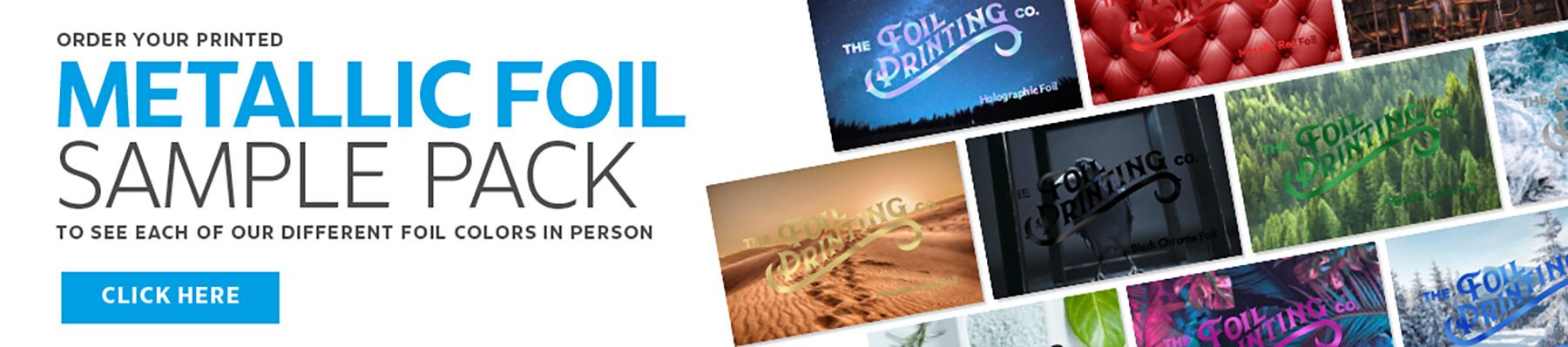
You can choose from a wide range of metallic foil colors for your greeting cards, so you’re not limited to classic gold and silver.
Gold and silver are always popular for wedding cards, Christmas cards, thank you cards, and luxury stationery, but we also offer shades like rose gold, copper, red, blue, green, teal, pink, violet, black chrome, and holographic foil. The right foil color depends on your artwork, paper stock, and the overall style you want.
If you’re creating a soft, romantic greeting card, rose gold or copper can work beautifully. If your card is bold, festive, or more playful, colored foil can make the design feel much more eye-catching. For a clean luxury finish, gold, silver, or black chrome are great options.
Foil colors can look different on screen compared with real life because they reflect light, so we’d recommend taking a look at our foil color range before choosing the final shade for your greeting cards.
Do Foil Greeting Cards Come With Envelopes?
You can order foil envelopes to go with your foil greeting cards, which is usually worth doing if you want the finished cards to feel complete and ready to send or sell.
A well-matched envelope makes a big difference, especially if you’re creating greeting cards for retail, weddings, corporate gifting, seasonal occasions, or luxury stationery ranges. Colored envelopes can also help tie the whole design together if your foil shade or artwork has a clear color theme.
We’d recommend choosing your card size and envelope together, rather than treating the envelope as an afterthought. That way, the finished card feels more polished from the moment it’s opened.
Can I Order More Than One Foil Greeting Card Design?
Yes, you can split your order across as many designs as you need using our online order calculator.
This is useful if you’re creating a small greeting card range rather than printing just one design. For example, you might want multiple seasonal designs, different messages, or a few artwork variations using the same size, paper, and foil color.
There is a small extra charge for multiple designs because each version needs its own setup and checking, but it is usually much more cost-effective than placing separate orders. To keep production as straightforward as possible, your cards will need to share the same card size, paper stock, finish, and foil color. If the designs need different specifications, they’ll need to be placed as separate orders.
What Is the Minimum Order Quantity for Foil Greeting Cards?
Our minimum order quantity for foil greeting cards is 50 copies.
Foil printing involves more setup than standard print because the card needs to be printed, laminated, foiled, cut, creased, checked, and finished properly. A minimum order quantity helps keep the process efficient while still making it accessible for small businesses, artists, designers, events, and brands launching a new card range.
On most of our foil products, we also offer the option to order 5 sample copies. This is a paid sample service because the same setup work is still required, but it’s a really useful way to check the print, foil color, paper choice, and overall finish before committing to a larger order.
How Should I Set Up Artwork for Foil Greeting Cards?
Foil greeting card artwork needs to be set up clearly so we can see which parts of the design should be printed in toner and which parts should be finished in metallic foil.
If your design runs right to the edge of the card, please add 2mm of bleed around the artwork so there’s enough extra print space for trimming. We also recommend setting up your artwork at 300 DPI for the best print quality, especially if your design includes illustrations, photos, fine details, or textured backgrounds.
Your printed artwork and foil artwork should be supplied separately, with the foil areas shown as a clear layer or clearly marked in the file. Foil should also be kept away from trim edges and crease lines. Our foil tolerance is 1mm out in any direction because small production movements are unavoidable, so giving foil details enough breathing room helps your finished greeting cards look much cleaner.
If you’re setting up the files yourself, our guide to setting up files for metallic foil printing walks you through how foil artwork should be supplied before production.

If you’re not confident creating foil-ready artwork, our in-house design team can help. Send us your brief, tell us the card style, wording, foil color, and any design ideas or inspiration you have, and we’ll create the artwork for you. Our guide on how to write a design brief for foil printing explains what to include so our designers can get as close as possible to what you have in mind.
Are Foil Greeting Cards Good for Selling as a Premium Card Range?
Foil greeting cards are a great choice if you want to give your cards more shelf appeal and make them feel more giftable.
The reflective finish instantly makes the card feel more considered, which can help if you’re selling through your own website, Etsy, gift shops, galleries, boutiques, markets, or seasonal retail displays. Foil is especially effective on cards with a clear focal point, such as a title, illustration detail, pattern, or short message.
Foil greeting cards do cost more than standard printed cards because of the extra finishing involved, but that extra finish can also support a higher retail price when the design, paper, envelope, and foil all work together. If you’re building a premium card range, foil is one of the clearest ways to make the product feel more special.
Our digital foiling process needs a smooth, sealed surface so the foil can apply cleanly, which is why our foil greeting cards include lamination as part of the process.
Without that laminated layer, the foil would be trying to adhere directly to the natural surface of the paper. That can lead to patchy, broken, or uneven foil detail, which is definitely not the finish we want for your cards.
Our soft touch laminate gives the foil a better surface to bond to and helps create the crisp, shiny finish people expect from professionally foiled greeting cards. It also adds a little extra protection to the outside of the card, which is useful if your cards are being packed, mailed, handled, displayed, or sold.
The inside of the card can still be left unlaminated, making it suitable for handwriting. So you get that polished foil finish on the outside without losing the practical writing space inside.
- SKU
- greeting-cards-usa